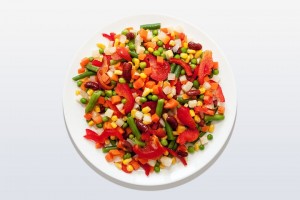
 I’ve not been to Mexico, nor have I eaten in a ‘real’ Mexican restaurant, writes our guest blogger, Dr Susan Aldridge, freelance writer and editor based in London, with an interest in medicine, health, science and food/nutrition. But I’ve made up three Mexican-style recipes which I suggest are at least as authentic as the nachos, burritos and tacos on offer from chain restaurants and pubs.
The key is to focus on three very healthy ingredients used in Mexican cooking – avocados, chillis and cacao.
Avocados are rich in monounsaturated oleic acid which can improved your lipid profile and insulin sensitivity. You could try it on toast or fresh bread as a substitute for butter or margarine if your goal is to get away from saturated fat and trans fats.
The ingredient that makes chillis hot is capsaicin, which is strongly anti-inflammatory and antibacterial, as well as clearing (or taking your mind off!) nasal congestion – so good for colds and chronic conditions like arthritis. Finally, cacao powder and very dark chocolate are packed with antioxidants.
Avocado smoothie
A healthy treat that tastes like chocolate milk shake.
Serves one
One avocado
One pear
250ml hemp milk
One tbsp cacao powder
Blend all ingredients in a Nutribullet and drink immediately.
Guacamole
Supermarket and restaurant guacamole is too often an insult to this traditional Mexican recipe – gloopy, tasteless and nasty! It’s so easy to make your own. Adjust the ingredients to make it more/less creamy/hot.
Serves two
Two avocados
Two tbsp sour cream/crème fraiche/yoghurt
One finely chopped red chilli pepper and a splash of chilli sauce
Juice of one of two limes
Tbsp cold-pressed linseed, rapeseed or olive oil
Mash the avocados with a potato masher and stir in all other ingredients. This gives a nice chunky texture (a food processor or blender makes it too smooth). Serve with tortilla chips and/or crudites. Also useful as a vegetarian alternative to meat in a main meal.
Ultimate vegetarian chilli
Plan to make this last for two to three days.
Serves six
Two red onions
One red, one yellow & one orange pepper
One packet Quorn mince
400g sweetcorn
400g frozen or fresh peas
400g tin tomatoes or prepared tomato sauce
One tbsp. chilli powder
Two chilli peppers
One tbsp cinnamon
One tbsp grated dark chocolate of cacao powder
Fry the onions and peppers in coconut oil with the spices for around 10 mins, till soft, and add mince. Cook for another 10 mins or so, then add tomato sauce, peas and sweetcorn. Simmer for around 30 mins and then stir in the chocolate/cacao powder. Top with avocado slices, sour cream/crème fraiche and serve with green salad/rice/tortilla chips.
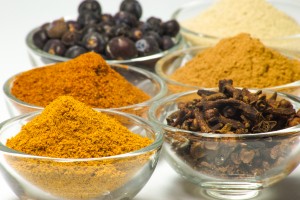 For 2017, the A to Z of Superfoods blog goes on tour! Each month, we’ll look at a different cuisine and pick out those elements that make it healthy – then create some recipes around them, writes Dr Susan Aldridge, freelance writer and editor based in London, with an interest in medicine, health, science and food/nutrition.
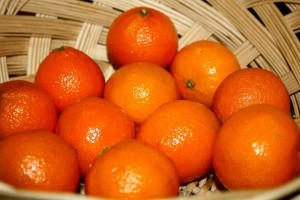 Tangerines (also known as mandarins) are small, easy-to-peel citrus fruits which are at their best during December, writes our guest blogger, Dr Susan Aldridge, freelance writer and editor based in London, with an interest in medicine, health, science and food/nutrition.
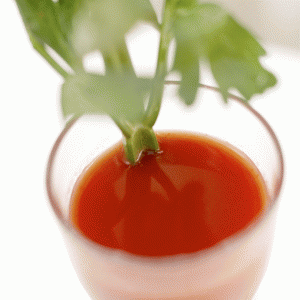 Autumnal nights call for pumpkin and sweet potato – but don’t forget the humble carrot, which is also (as the name suggests) rich in carotenoids, which can protect against heart disease and cancer. It’s easy to up your carrot intake by including them in a plate of crudites, with other raw veg, or as a simple side salad, with cherry tomatoes, to increase the healthy benefits of a sandwich/soup lunch in the office. You could also try the recipes below…
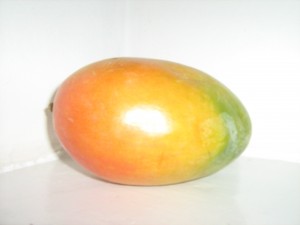 The mango comes from India and is a member of the same botanical family (the drupes) as olives, dates and coconut, writes our guest blogger, Dr Susan Aldridge, freelance writer and editor based in London, with an interest in medicine, health, science and food/nutrition. According to one of my food ‘bibles’ (The Science of Good Food by David Joachim and Andrew Schloss) there are more than 1,000 different varieties of mango and they range in size and shape from small round fruits weighing around 100g to large oblong fruits weighing around six times as much! They are widely cultivated in warm climates and readily available in the UK all year round.